
Inspection without the climb
Traditional inspection often means rope access, scaffolding, cherry pickers, helicopters or shutting things down. Inspection drones do much of that work from the air, faster and without putting people at height. The result is safer, cheaper and often better data, because a drone can return to the same position again and again to track change.

Payload Drone
P50 Heavy Lift Drone
50 kg payload heavy-lift drone for delivery, firefighting support, rescue drops and industrial inspection.
- Max payload50 kg
- RoleCargo / rescue / firefighting

Payload Drone
THEA 220MP Heavy Lift Quadcopter
Large-format quadcopter with 40 kg payload. A simple, efficient heavy lifter with fewer motors to maintain.
- Max payload40 kg
- LayoutQuadcopter

Payload Drone
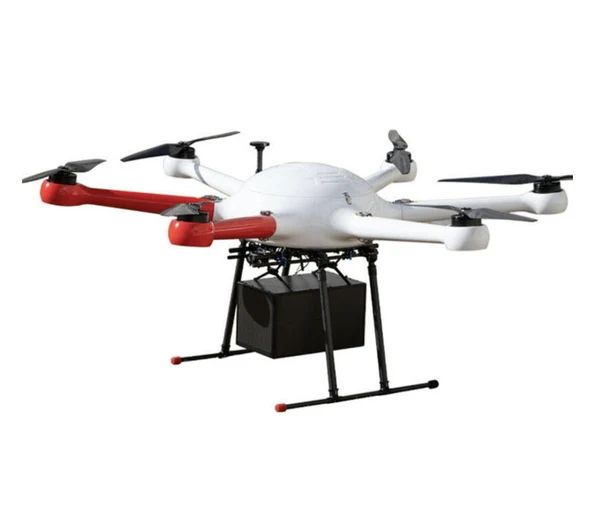
GAIA 190MP Heavy Lift Drone
1925 mm wheelbase heavy-lift industrial drone with 55 kg maximum take-off weight.
- Max take-off weight55 kg
- Wheelbase1925 mm
Payload Drone
GAIA 160MP Hexacopter
Six-rotor industrial hexacopter with 20 kg payload: a versatile mid-weight platform for sensors, cargo and inspection.
- Max payload20 kg
- LayoutHexacopter (6 rotors)

Payload Drone
MX4-10 Multi-Function Industrial Drone
5 kg payload, 10 km multi-function drone with loudspeaker, searchlight and drop thrower. Rescue-ready, with OEM/ODM support.
- Payload5 kg
- Range10 km
Payload Drone
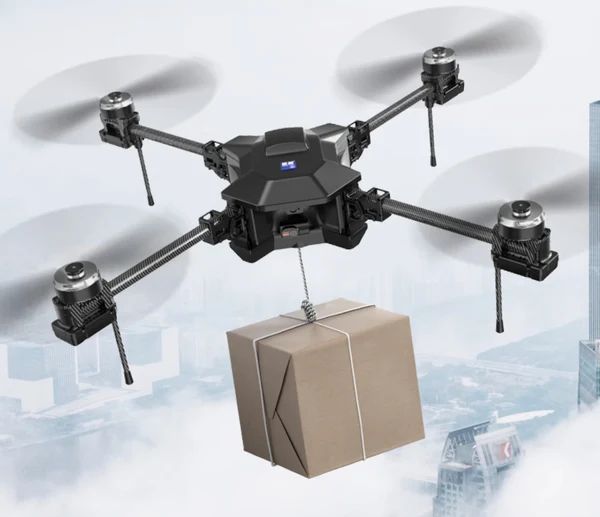
SY800 Heavy Lift Drone
2–10 kg payload drone with 10 km range, 3-axis 1080P/2K camera, GPS, thrower, loudspeaker and lighting.
- Payload2–10 kg
- Range10 km
Inspection payloads
- Thermal cameras: hot spots on electrical equipment, failed solar cells, heat loss, moisture
- High-zoom cameras: close detail of insulators, bolts, welds and cracks from a safe distance
- Dual thermal + zoom gimbals: both in one flight
- LiDAR: vegetation encroachment along power lines, structure geometry
- Gas detection and specialist sensors: integrated on request
Where inspection drones work
| Asset | What drones inspect |
|---|---|
| Power lines and substations | Insulators, conductors, hot joints, vegetation clearance |
| Wind turbines | Blade leading-edge erosion, cracks, lightning damage |
| Solar farms | Failed cells and strings (thermal) |
| Pipelines | Leaks, ground movement, right-of-way encroachment |
| Telecom masts | Antennas, mounts and corrosion |
| Bridges and structures | Cracks, corrosion and bearings |
| Roofs and facades | Damage, leaks and heat loss |
| Industrial plants | Stacks, flares, tanks (with suitable approvals) |
See energy and utilities.
Choosing an inspection drone
- GAIA 160MP: a 20 kg payload hexacopter for heavy dual-sensor gimbals or LiDAR, with six-rotor redundancy near valuable assets
- SY800: a built-in 3-axis 1080P/2K camera and 10 km range for visual inspection and patrols
- GAIA 190MP: for the heaviest sensor packages and long inspection runs
Running an inspection programme
- Define what "good" looks like: defect types, image resolution and reporting format
- Standardise flights: repeatable positions and angles for comparison over time
- Plan around the asset: electromagnetic interference near energised equipment, rotor wash near structures, exclusion zones
- Manage data: naming, storage, analysis and reports
- Close the loop: feed findings into maintenance work orders
Our drone inspection services article explains how service providers build these programmes.