
Why choose a gas go kart?
Electric karts get the headlines, but gas go karts (petrol go karts, outside North America) remain the practical choice in many situations. If your karts run outdoors, far from reliable power, or for long days with no time to charge, petrol makes sense. All three of our premium models are offered in petrol configurations.

Go Kart
AX-964 Classic Speedster
Open-top retro sports-car go kart with a hand-finished cabin, duck-tail spoiler and six factory colours.
- BodyOpen-top speedster
- Colours6 factory + custom

Go Kart
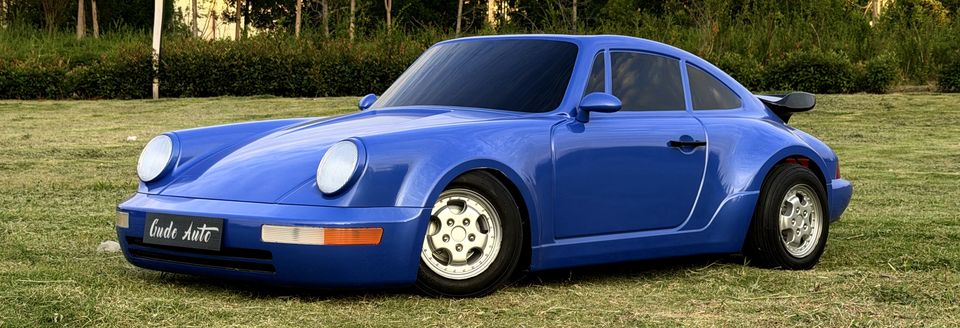
AX-964 Classic Coupe
Hardtop retro coupe go kart: closed roof, full glasshouse and classic rear-engine proportions, ready for wholesale and private-label.
- BodyHardtop coupe
- Colours5 factory + custom

Go Kart
AX-GT Track Edition
Modern track-styled go kart with a vented bonnet, aggressive front splitter and tall rear wing. The racing flagship of the range.
- BodyTrack coupe with rear wing
- Colours6 factory + custom
The advantages of petrol power
Refuel in about a minute
A fuel stop takes moments, so a kart can run all day with only short stops. For outdoor venues with heavy demand, that means more sessions per kart.
No charging infrastructure
No electrical upgrades, no charging bays, no waiting. Ideal for remote properties, farms, ranches and estates without convenient power.
Range is set by the tank
Carry a fuel can and keep driving. Endurance does not depend on battery capacity or temperature.
Engine character
Some drivers simply prefer the sound and feel of an engine, especially for racing-styled karts like the AX-GT.
Cold-weather consistency
Petrol engines are less affected by cold than lithium batteries, which matters for winter use.
The trade-offs
- Noise. Engines are loud. Check neighbour and local noise considerations.
- Exhaust. Petrol karts are generally unsuitable indoors.
- Maintenance. Oil changes, air filter, spark plug, chain or belt and engine servicing to the engine manufacturer's schedule.
- Fuel handling. Store fuel safely and follow local regulations, especially at commercial sites.
Gas vs electric at a glance
| Your situation | Better choice |
|---|---|
| Outdoor track, long operating day | Gas |
| Remote land without convenient power | Gas |
| Indoor venue | Electric |
| Close neighbours or noise limits | Electric |
| Lowest routine maintenance | Electric |
| Winter use in cold climates | Gas (or electric with indoor battery storage) |
Full comparison: electric vs gas go karts.
Maintaining a petrol go kart
A simple routine keeps a gas kart reliable:
- Before each use: check fuel, oil level, tyre pressures, brakes and steering
- Regularly: clean or replace the air filter, check and adjust the chain or belt, inspect the spark plug
- To schedule: change the engine oil at the intervals in the engine manual
- Storage: for long storage, follow the manual on fuel treatment or draining the carburettor
- Fresh fuel: old fuel causes hard starting, so use fresh fuel
Venues should log maintenance per kart and keep a spares stock. See commercial go karts.
Who buys gas go karts
- Outdoor karting tracks and leisure parks
- Farms, ranches and rural estates
- Off-grid holiday properties
- Event companies working at outdoor sites without power