Selling go karts can be a good business, or a frustrating one. The difference usually comes down to three things: the product you choose, the supplier behind it, and whether you understand your real costs. This guide covers all three for dealers, distributors and anyone buying wholesale go karts for resale.
1. Choose a product you can sell for more than a price
The go kart market is crowded with near-identical frame karts sold by many dealers from the same few catalogues. If your product looks like everyone else's, you compete on price, and margins disappear.
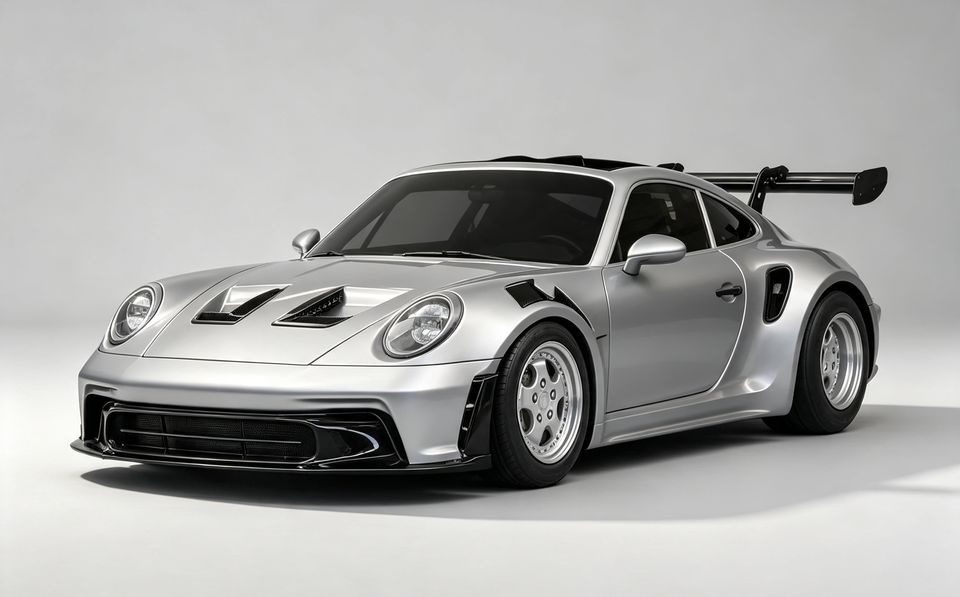
The way out is differentiation: a product customers come into your showroom to see. Car-bodied premium karts do that. A silver AX-964 Coupe in your window is a reason for people to walk in, and customers comparing it with a frame kart are not comparing like for like.
Ask of any wholesale line:
- Will customers notice it?
- Will they photograph it and share it?
- Can I explain why it costs more?
- Can competitors buy the same thing easily?
2. Choose a supplier, not just a price
A wholesale relationship lasts for years. Evaluate suppliers on:
| Criterion | What good looks like |
|---|---|
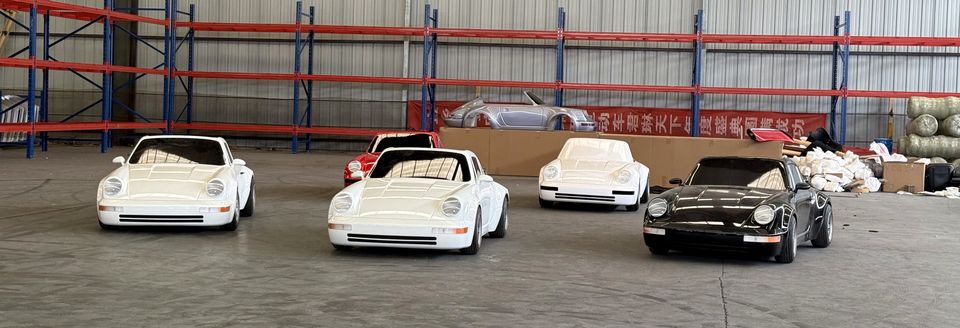
| Production | Own factory or a direct production relationship, with photos and process detail |
| Specifications | Written, batch-specific specs |
| Quality control | Inspection steps and pre-shipment photos |
| Spares | Stocked, with a parts list and quick dispatch |
| Documentation | Export documents, dangerous-goods paperwork, and product documentation for your market |
| Marketing support | Photography, spec sheets, catalogs |
| Communication | Fast, specific answers from someone technical |
| Capacity | Can handle repeat orders and growth |
Buying factory direct usually scores best on margin, specs and spares.
3. Plan your first order
Mix models to learn your market
You do not yet know exactly what will sell. A first order that mixes models and colours teaches you quickly. A typical first dealer order:
- Display pair: AX-964 Coupe in silver and black
- Lifestyle sellers: AX-964 Speedster in yellow, sky blue and green
- Performance buyers: AX-GT in racing blue or yellow
- Powertrain mix: mostly electric if your customers are suburban, more petrol if rural
Add a starter spares kit
Body panels, trim, wheels and tyres, brake parts and consumables. Having parts on the shelf when a customer needs one builds your reputation.
Order marketing assets
Product photography, spec sheets and catalogs for your website and showroom.
4. Calculate landed cost properly
Your wholesale unit price is the starting point, not your cost. Landed cost is everything it takes to get a kart onto your showroom floor:
- Unit price at your quantity tier
- International freight (container or shared)
- Insurance
- Import duty, at the rate for your country and the product's tariff classification. Confirm with a customs broker.
- Import taxes (VAT/GST/sales tax, as applicable)
- Customs brokerage, port and handling fees
- Inland transport to your premises
- Unpacking, pre-delivery inspection and display preparation
Divide shared costs (freight, brokerage, transport) across the units in the shipment. Then add a provision for warranty support and spares you will give away.
Worked example (illustrative only)
Suppose a container holds a mix of karts. Add the freight, insurance, brokerage, port fees and inland transport for the whole container, then divide by the number of karts to get a per-unit logistics cost. Add duty and taxes at your local rates. Add your per-unit warranty provision. That total, not the unit price, is the cost your retail price must cover.
5. Set retail prices
Consider:
- Landed cost plus margin. The floor.
- Perceived value. Car-bodied premium karts support higher prices than frame karts.
- Competition. What else could the customer buy for the same money?
- Services: delivery, set-up, training and after-sales support you include
- Financing and promotions you will offer
Do not compete on price with frame karts. Compete on product and service.
6. Support customers after the sale
Dealers win repeat business and referrals by:
- Doing a pre-delivery inspection and handover
- Explaining charging, maintenance and safety
- Keeping spares in stock
- Answering questions quickly
- Asking happy customers for reviews and photos
7. Grow: from dealer to brand
Once volumes grow, many dealers and distributors move to selling under their own brand. OEM go karts put your brand on our products, and ODM changes the design. Read OEM go kart production.
Frequently asked questions
What margin can a go kart dealer make?
It depends on your landed cost, market and positioning. Differentiated premium products generally support better margins than commodity karts.
How many karts should a first wholesale order include?
Enough to display the range and learn what sells, without overcommitting. Many dealers start with a mixed order and rebalance on the next one.
Who handles warranty claims, dealer or manufacturer?
Usually the dealer handles the customer, and the manufacturer supports the dealer with parts and technical help. Agree this in writing.
Do I need a licence to sell go karts?
Requirements vary by country and region. Check business, product and consumer rules locally.