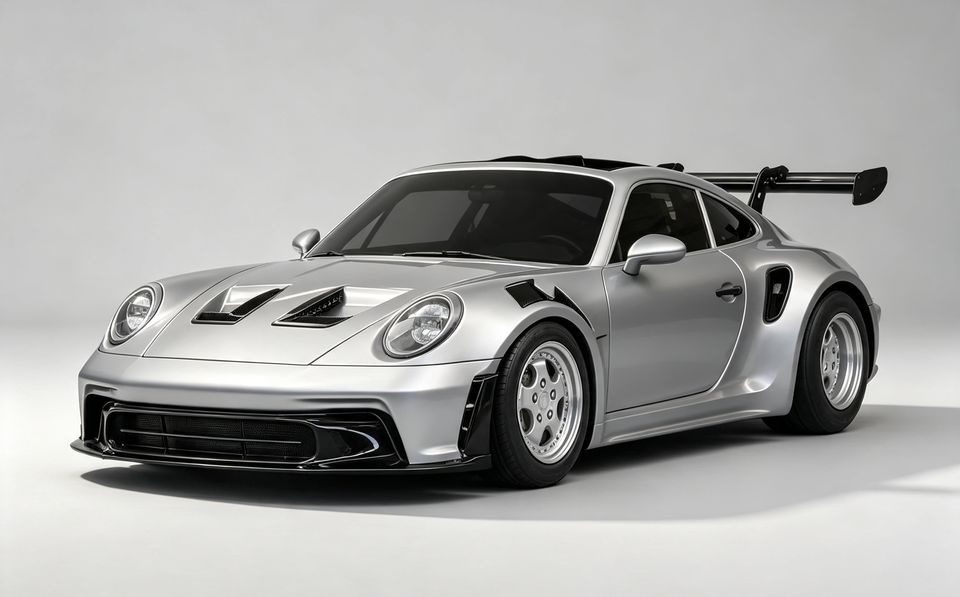
OEM puts your brand on an existing product. ODM (original design manufacturing) gives you a product designed, or redesigned, around your requirements, then built by the factory. It is how brands create karts nobody else can buy.
This guide explains what ODM involves, what drives cost and time, and how to brief a factory for the best result.
When you need ODM
You need ODM rather than OEM if you want to change:
- Styling: front or rear design, lighting, spoilers and wings, wheels
- Interior: seats, trim, dashboard, steering wheel
- Powertrain: a different motor, battery or engine to meet performance, runtime or market needs
- Features: speed-limiting modes, lighting packages, fleet hardware, safety equipment
- Market fit: changes to meet the expectations of a particular market or customer type
The ODM process
1. Brief
The quality of the brief shapes everything. Include:
- Purpose: who buys it, and how they use it
- Must-haves vs nice-to-haves
- References: images, sketches, competitor products
- Performance targets: speed, runtime, rider size
- Market: countries, which affects documentation and powertrain
- Volumes: first order and annual estimates
- Budget and timeline
2. Feasibility review
The factory assesses what is possible, how it affects tooling, cost and timeline, and suggests alternatives where needed.
3. Agreement
Get these in writing:
- Scope and deliverables
- Development fees and how they are paid
- Ownership of designs and tooling
- MOQ and pricing for production
- Timeline and milestones
- Confidentiality (NDA)
4. Design
Drawings or renders for approval. Expect a few rounds.
5. Prototype
A physical prototype for evaluation. This is where you discover what drawings cannot show.
6. Testing and iteration
Functional testing, ride evaluation, and fixes. Durability testing for fleet products.
7. Sample approval
Final samples signed off as the production standard.
8. Pre-production and production
A small pre-production run confirms manufacturing quality before full volume.
What drives cost and time
| Driver | Lower | Higher |
|---|---|---|
| Scope | Trim, lighting, details | Body, chassis, powertrain |
| Tooling | Existing tools reused | New moulds, jigs, dies |
| Testing | Cosmetic validation | Performance and durability |
| Iterations | Clear brief, fast decisions | Changing requirements |
| Volume | Higher volume spreads cost | Low volume concentrates cost |
The biggest controllable factor is clarity. A clear brief and quick, decisive approvals save more time and money than anything else.
Manufacturing capability matters
ODM is only as good as the factory's ability to build what is designed. Our capability includes a press shop, robotic welding, frame lines, component inspection and a full assembly hall. See our about page.
Ownership and exclusivity
Two common models:
- Client-funded development: you pay development and tooling costs and own the resulting design and tools (as agreed)
- Shared development: the factory contributes and retains some rights, with lower upfront cost for you
Neither is wrong. What matters is that it is agreed in writing at the start.
ODM checklist
- [ ] Clear written brief with references
- [ ] Feasibility review completed
- [ ] Ownership, fees, MOQ and timeline agreed in writing
- [ ] NDA signed
- [ ] Design approved
- [ ] Prototype tested
- [ ] Samples approved
- [ ] Pre-production run checked
- [ ] Spares and documentation planned
Frequently asked questions
How long does ODM go kart development take?
It depends on scope. Cosmetic changes are much faster than powertrain or chassis work. A timeline is set after feasibility.
Do I need engineering skills to commission ODM?
No. A clear brief is enough, and the factory's team develops the engineering.
Is ODM more expensive than OEM?
Yes, because of development, prototyping and possibly tooling. It buys you a product competitors cannot get.
Can ODM karts also be branded?
Yes. Branding, packaging and documentation are included as in OEM.