It is the first big decision for almost every go kart buyer: electric or gas (petrol, outside North America)? Both are excellent in the right setting, and both are frustrating in the wrong one. This guide compares them across what really matters and ends with clear recommendations for different buyers.
The short answer
- Choose electric if you will drive indoors, near neighbours, at a resort or hotel, or want minimal maintenance.
- Choose gas if you will drive outdoors for long days, on land without convenient power, or in cold climates, or you love engine sound.
Now the detail.
Noise
Electric karts are quiet: you hear tyres, wind and a motor whine. Gas karts are loud, and the engine note carries.
This matters more than people expect. Noise complaints from neighbours, noise limits at venues, and conversation between laps at corporate events all favour electric. Some buyers want the noise, because engine sound is part of the excitement on a racing-themed track.
Winner: electric, unless you want the sound.
Indoor use and emissions
Electric karts produce no exhaust at the point of use, so they can run indoors. Gas karts produce exhaust and are generally unsuitable indoors.
Winner: electric, clearly.
Run time and refuelling
Gas karts refuel in about a minute and run as long as you keep filling the tank. Electric karts run until the battery is depleted, then need charging, which takes considerably longer than refuelling. Run time depends on battery capacity, driver weight, driving style and temperature.
For private owners, this rarely matters: drive, then charge overnight. For venues with back-to-back sessions, it matters a lot. Electric fleets need enough karts to rotate through charging, or swappable batteries where the design allows.
Winner: gas for continuous use, a draw for private use.
Running costs
Per hour of driving, electricity generally costs less than fuel, though it depends on local prices. Electric drivetrains also need less routine maintenance, as described below.
Winner: electric, usually.
Maintenance
Electric routine maintenance focuses on tyres, brakes, steering, wiring connections and battery care.
Gas adds engine work: oil changes, air filter cleaning, spark plugs, chain or belt adjustment, carburettor care and fuel system maintenance.
Winner: electric.
Performance feel
Electric motors deliver instant torque, so electric karts feel lively from a standstill. Gas karts build power with revs and give a more traditional, mechanical feel. Actual performance depends entirely on the specific motor or engine fitted, so compare real specifications rather than assumptions.
Winner: personal preference.
Climate
Cold: lithium batteries lose capacity and should not be charged below the manufacturer's minimum temperature. Store and charge them indoors in winter. Gas engines are less affected, although cold starts need care.
Heat: batteries age faster in high heat and should cool before charging. Gas engines need cooling too, but are less sensitive.
Winner: gas in very cold climates. With good battery management, electric works well almost everywhere.
Infrastructure
Electric needs charging points. A private owner can use the supplied charger at a normal socket (we match chargers to your country's mains supply). A venue charging a fleet needs an electrician to check capacity and install charging bays.
Gas needs safe fuel storage and handling, which commercial venues must manage under local rules.
Winner: depends on your site.
Shipping and import
Electric karts ship with lithium batteries as Class 9 dangerous goods, which a good supplier handles. Gas karts ship with empty fuel systems. Both are routine for an experienced exporter.
Comparison table
| Factor | Electric | Gas |
|---|---|---|
| Noise | Very quiet | Loud |
| Indoor use | Yes | No |
| Refuel / recharge time | Charging time | About a minute |
| Running cost | Lower | Higher |
| Maintenance | Low | Higher |
| Cold-weather performance | Reduced battery capacity | Less affected |
| Infrastructure | Charging | Fuel storage |
| Feel | Instant torque, quiet | Engine sound, traditional |
Recommendations by buyer
| Buyer | Recommendation |
|---|---|
| Home owner with neighbours | Electric |
| Rural estate, no convenient power | Gas |
| Resort or hotel | Electric |
| Indoor karting centre | Electric |
| Outdoor rental track with long days | Gas, or electric with a rotation plan |
| Corporate events | Electric (people can talk between heats) |
| Racing-themed track day | Either, since engine sound adds atmosphere |
| Cold-climate outdoor use | Gas, or electric with indoor battery storage |
| Families with young drivers | Electric, with speed settings |
Our range
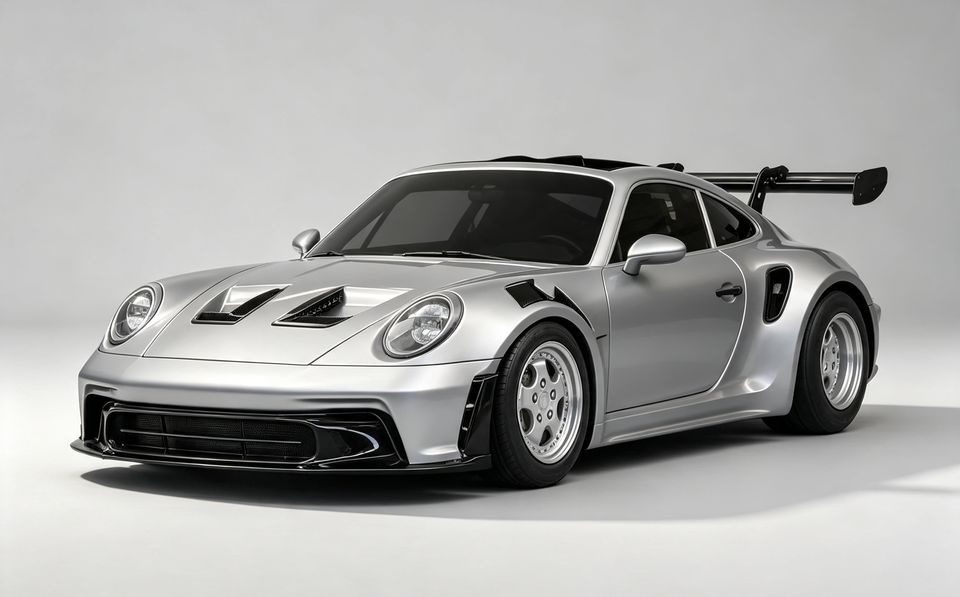
All three Averix models, the AX-964 Classic Speedster, AX-964 Classic Coupe and AX-GT Track Edition, are offered in electric and petrol configurations. We confirm the exact motor, battery or engine specifications in writing with each quote. Browse electric go karts or gas go karts.
Frequently asked questions
Are electric go karts faster than gas?
Not inherently. It depends on the motor or engine fitted. Electric karts often feel quicker off the line because of instant torque.
Do electric go karts last as long as gas karts?
The chassis and body can last equally long. Batteries wear over time and eventually need replacing. Engines also need servicing and eventual overhaul.
Can I convert a gas go kart to electric?
It is possible but complex. Ordering the electric configuration from the start is usually better.
Which is cheaper overall?
Electric typically has lower running and maintenance costs. Total cost depends on use, local energy prices and battery replacement over the kart's life.