A go kart that is fun at the weekend is not necessarily a good commercial kart. Commercial karts are driven by hundreds of strangers, for hours a day, often by people who have never driven a kart before. This guide covers how to plan a commercial fleet that is safe, reliable and profitable, and where premium car-bodied karts fit.
Define your venue model first
| Venue type | Typical sessions | Fleet priorities |
|---|---|---|
| Indoor karting centre | Short, frequent, all year | Electric, durability, quick turnaround |
| Outdoor track | Longer, seasonal | Petrol or electric with rotation, weather resilience |
| Family entertainment centre | Short, supervised, children | Electric, speed control, safety |
| Resort or hotel | Guest experiences | Electric, style, quiet |
| Event company | Mobile, varied sites | Transportability, branding, electric for indoor sites |
Sizing the fleet
Work out:
- Peak demand: customers per hour at busy times
- Session length and turnaround: time between sessions for changeover and briefing
- Karts per session: limited by track size and safety
- Availability: karts out of service for charging, maintenance or repair
- Growth: room to expand the fleet as demand grows
As a rule, plan for some karts to be unavailable at any time and size the fleet to cover it.
A premium tier
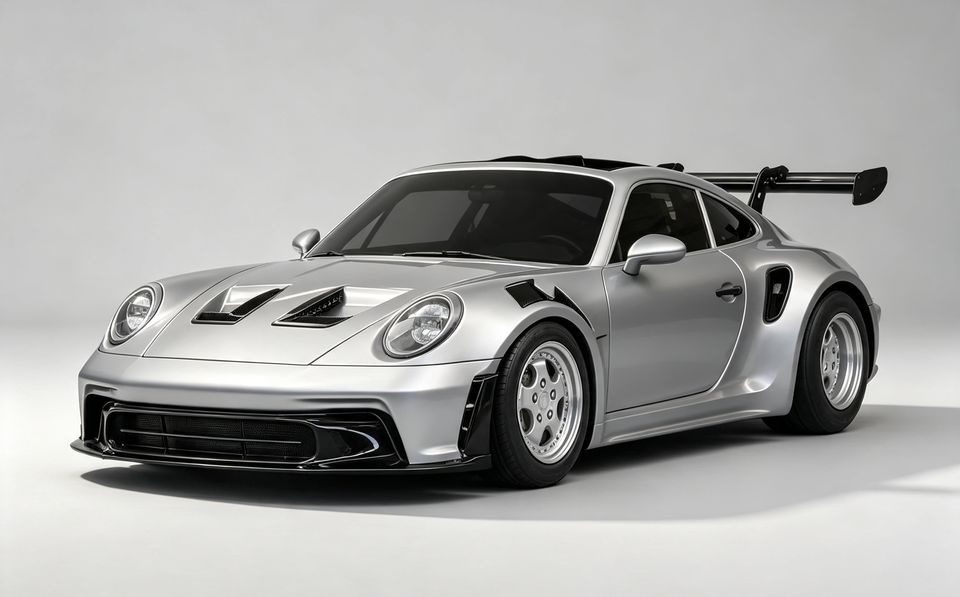
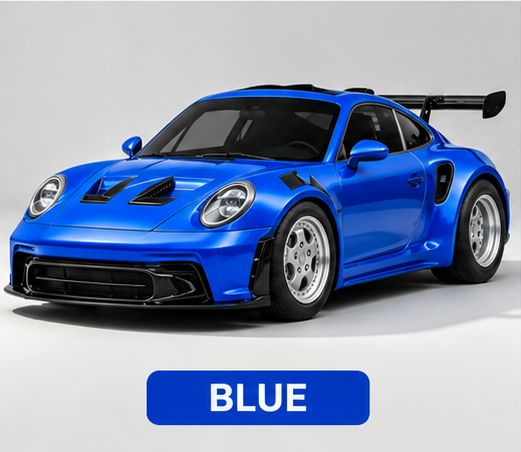
Most venues run a fleet of standard karts. Adding a premium tier of car-bodied karts, such as the AX-GT Track Edition or the AX-964 Speedster, creates:
- Higher session prices for the premium karts
- Packages: GT Grand Prix, Classic Car Experience
- A reason for regulars to return
- Marketing, because customers photograph and share them
Start with a small premium tier and expand once it proves itself.
Electric or petrol for commercial use
Electric
Pros: quiet, no exhaust, low maintenance, indoor-capable, and conversation between heats at corporate events. Plan for: charging capacity and rotation, electrical installation by a qualified electrician, and battery care in heat and cold.
Petrol
Pros: quick refuelling, all-day running and engine atmosphere. Plan for: fuel storage under local rules, engine maintenance, and noise.
Maintenance programme
Commercial fleets need structured maintenance:
Daily (before opening) - Brakes, steering, tyres and wheel nuts - Battery charge or fuel level - Body damage and loose parts - Safety equipment
Weekly - Detailed inspection of chassis, drivetrain and electrical connections - Tyre wear and pressures - Cleaning
Scheduled - Service intervals per the manual (engine oil, filters and so on for petrol) - Battery health checks for electric
Keep a log for each kart: hours, faults and repairs. It tells you when to replace parts and which karts cause problems.
Spares strategy
Downtime costs revenue. Keep on site:
- Tyres and wheels
- Brake parts
- Steering components
- Common electrical parts (electric) or engine consumables (petrol)
- Body panels, which matter for car-bodied karts because they take knocks
We recommend a starter spares kit with your first fleet order.
Safety management
- Driver briefings before every session
- Helmets and hygiene (liners or cleaning between users)
- Speed settings matched to customer experience
- Barriers, run-off and marshals
- Age and size limits enforced
- Incident logging
- Insurance and compliance with local rules. Standards from ASTM F24 and guidance from associations like IAAPA are useful references.
Revenue and payback
Model your revenue:
- Sessions per day × karts per session × price per session
- Premium tier at a higher price
- Packages and events
- Merchandise and photo sales
Against costs: karts and spares, infrastructure (charging or fuel), staff, maintenance, insurance and marketing.
Premium karts often pay back faster than you would expect, because they lift prices and attract group bookings.
Buying for commercial use
- Ask for fleet pricing. See wholesale go karts.
- Ask about custom liveries and fleet numbers. See custom go karts.
- Confirm specifications, speed settings and rider limits in writing
- Confirm spares availability and lead times
Frequently asked questions
How many karts does a venue need?
It depends on track size, session format and demand. Size for peak demand plus karts unavailable for charging or maintenance.
Are premium karts durable enough for rental?
They are built on welded frames and function-tested. Treat them as fleet vehicles with daily checks, maintenance and spares.
Electric or petrol for a rental track?
Indoor: electric. Outdoor with long days: petrol, or electric with a rotation plan.
Can you brand karts with our venue logo?
Yes. Custom liveries and fleet numbers are available on fleet orders.