Buying a drone is easy. Building a commercial drone operation that is safe, legal and profitable is harder. This guide walks through what successful operators put in place, from the first business case to a scaled fleet.
1. Start with the business case
Every successful drone programme answers one question clearly: what does the drone do better, faster, cheaper or safer than the current method?
Common value drivers:
- Labour saved: fewer people, or less time per job
- Speed: jobs done faster, or more jobs per day
- Access: places that were impossible or costly to reach
- Safety: people kept away from heights, hazards and traffic
- Quality: better data for decisions
- New revenue: services you could not offer before, such as spray contracting
A simple model
Annual value = (cost per job today − cost per job by drone) × jobs per year
Annual drone cost = depreciation + batteries + spares + maintenance + insurance + training + approvals + pilot time
If value comfortably exceeds cost, you have a case. Run the numbers conservatively.
2. Choose the right aircraft
Match the aircraft to the job (see best payload drones):
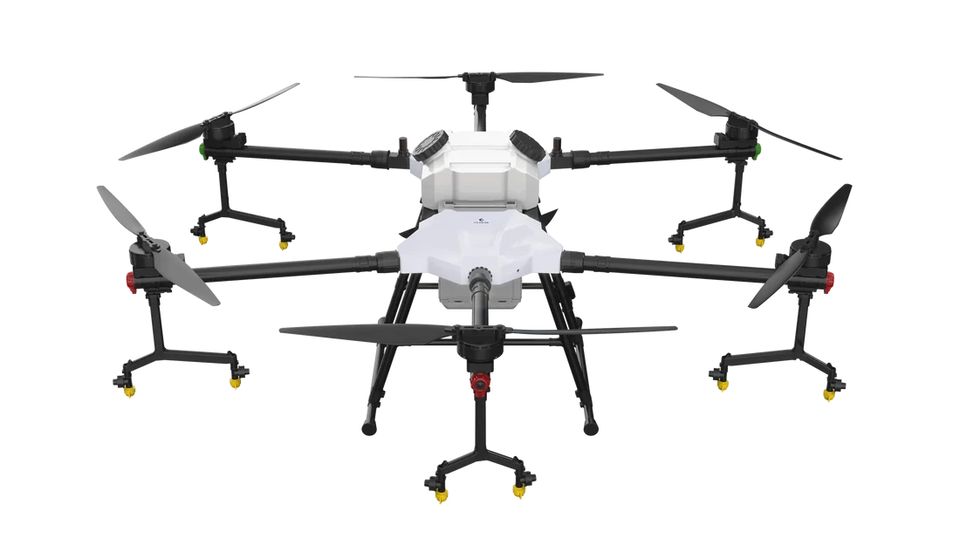
- Agriculture: TTA G300
- Survey and inspection: GAIA 160MP
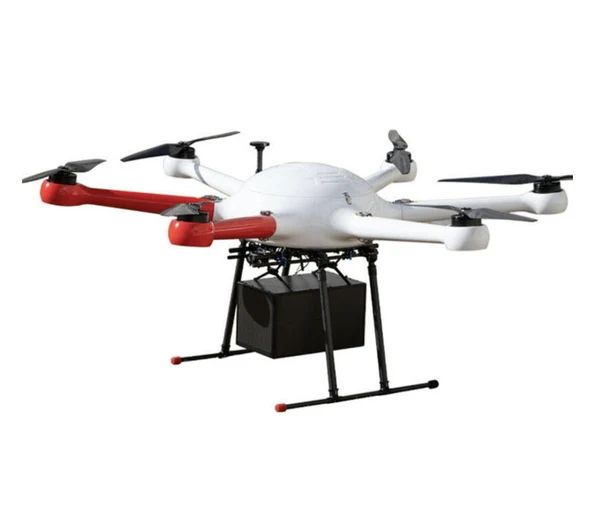
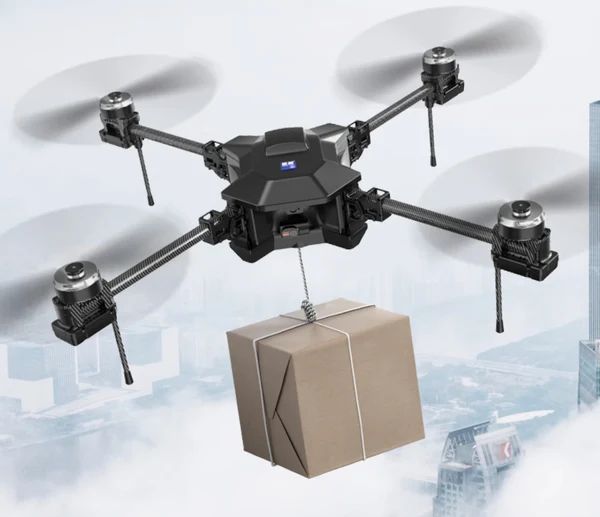
- Light delivery, patrol and rescue: SY800, MX4-10
- Heavy lift: THEA, P50 and D50 platforms
Buy the complete system: aircraft, batteries, chargers, payloads, spares and cases.
3. Get legal
Typical requirements:
- Operator registration
- Remote pilot qualifications suited to the operation
- Aircraft registration
- Operational authorisations for anything beyond standard rules: heavy aircraft, BVLOS, night, over people, dispensing products
- Insurance, often mandatory
- Privacy and data protection compliance
Start approvals early, because they can take months. See our resources page and your country page.
4. Build a crew
Most commercial operations need more than one person:
- Remote pilot in command: responsible for the flight
- Visual observer(s): watch the airspace and ground
- Payload operator or loader: for cargo, spraying and sensors
- Data processor: for survey and inspection outputs
Invest in training beyond the legal minimum, and run recurrent training and emergency drills.
5. Write procedures
Written procedures make operations consistent and are often required by regulators:
- Pre-flight: site survey, weather, airspace, briefing, aircraft checks
- Normal operations: take-off, mission, landing, payload handling
- Emergencies: lost link, flyaway, battery failure, injury, fire
- Post-flight: inspection, logging, battery storage
- Maintenance: schedules, inspections, records
6. Maintain the fleet
- Log flight hours, cycles and faults per aircraft
- Follow manufacturer maintenance schedules
- Track battery health and retire packs on schedule
- Keep spares for common failures
- Investigate and learn from incidents
7. Manage batteries properly
Lithium batteries are the most safety-critical consumable:
- Store at recommended charge levels and temperatures
- Charge on non-flammable surfaces with supervision
- Transport as dangerous goods where required
- Retire swollen or damaged packs immediately
- Plan charging capacity to keep pace with flying
8. Handle data well
For survey, inspection and security work, the product is often the data:
- Standard file naming and storage
- Backups
- Quality checks before leaving site
- Secure handling of personal data
- Clear deliverables for clients
9. Insure
Most operators need third-party liability cover, and many also insure the aircraft (hull) and payloads. Specialist drone insurers understand the risks.
10. Scale
Once one aircraft is proven:
- Add aircraft for capacity and redundancy
- Standardise on common platforms to share spares and training
- Add use cases with the same aircraft
- Measure and report results
Frequently asked questions
How much does it cost to start a commercial drone operation?
It depends on aircraft, payloads and approvals. Budget for the full system, training, insurance and approvals, not just the aircraft.
What licence do I need to fly drones commercially?
Requirements vary by country and operation. Most require operator registration and pilot qualifications, with extra approvals for complex operations.
How do I find drone clients?
Start with industries where drones solve clear problems, such as agriculture, survey, inspection and security, and show results with case studies.
Should I buy or lease drones?
Buying is common for core aircraft. Leasing or renting can suit trials or seasonal peaks.